-
![Folding Arm Awnings Folding Canopies]()
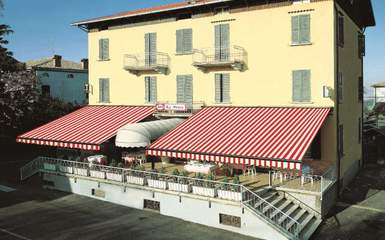
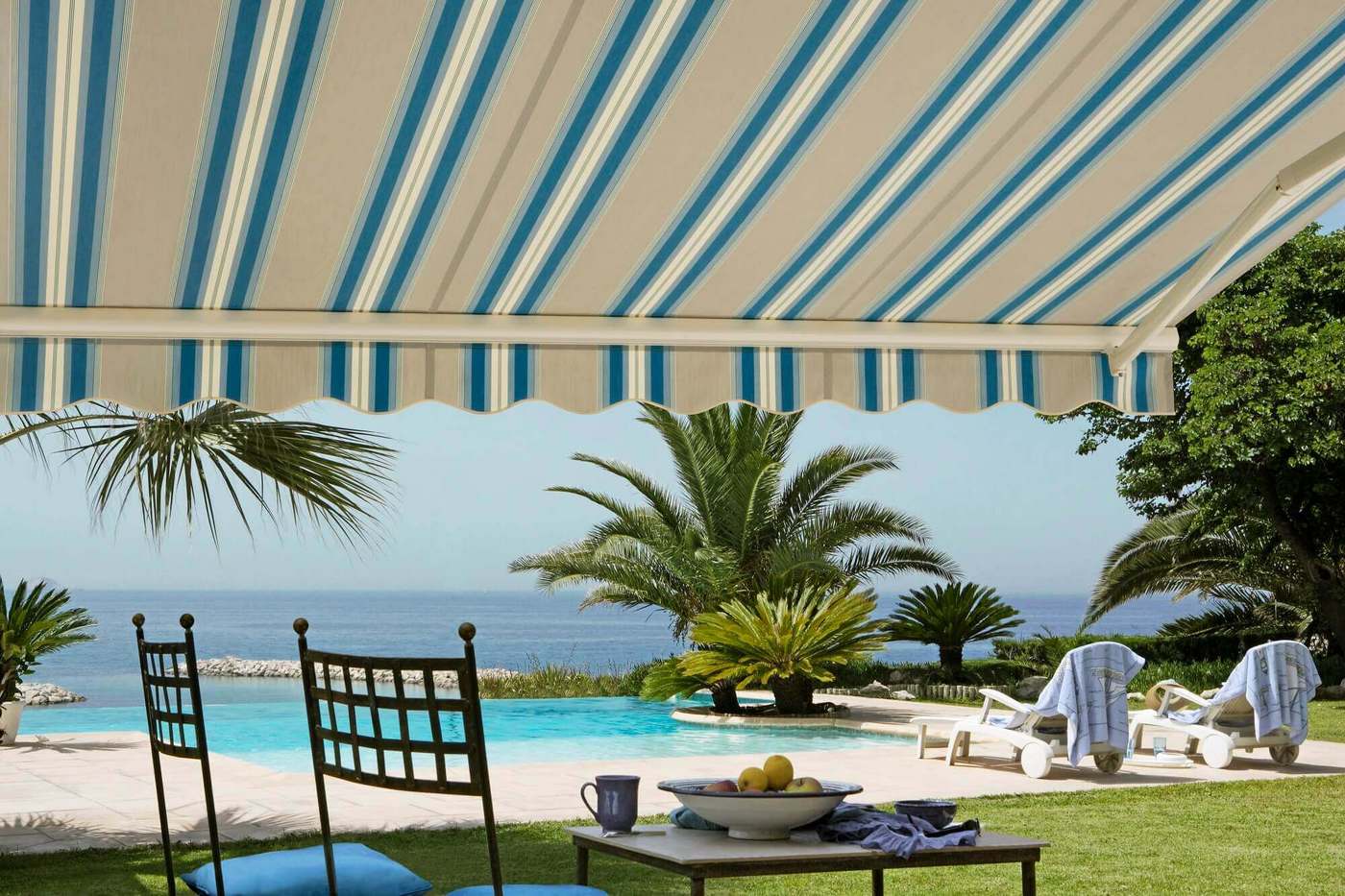
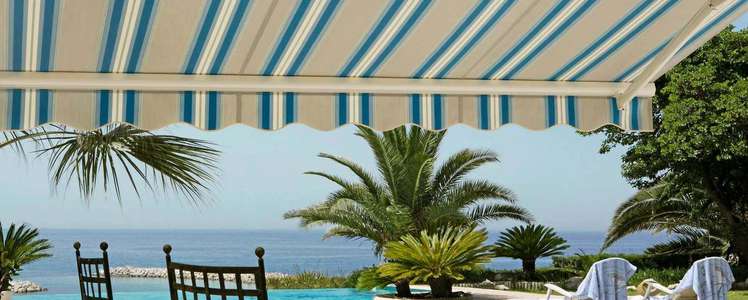
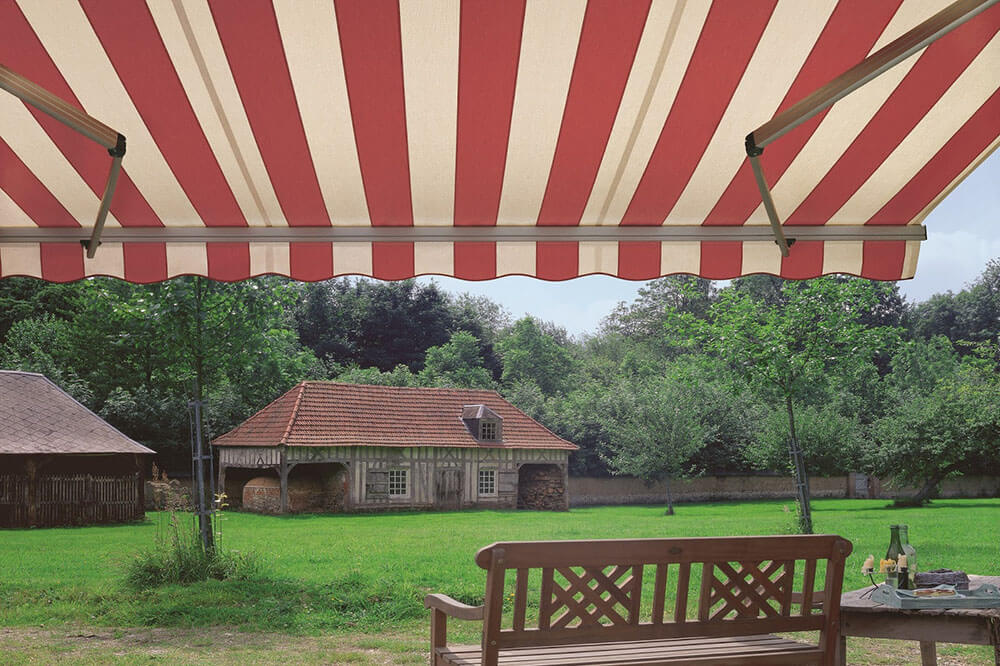
Folding Arm Awnings & Folding Canopies
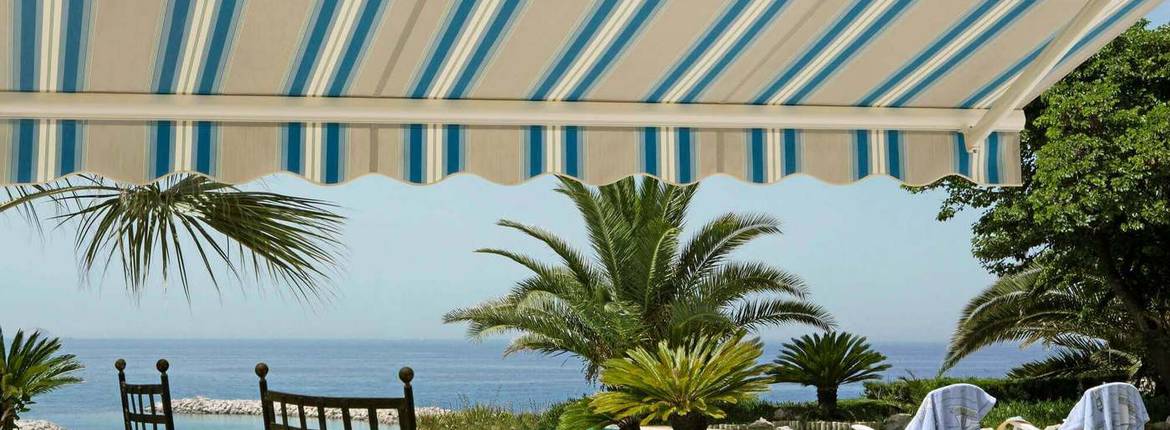
Folding arm canopies and awnings for homes can reduce your cooling costs while protecting your outdoor furniture from harmful UV rays.
-
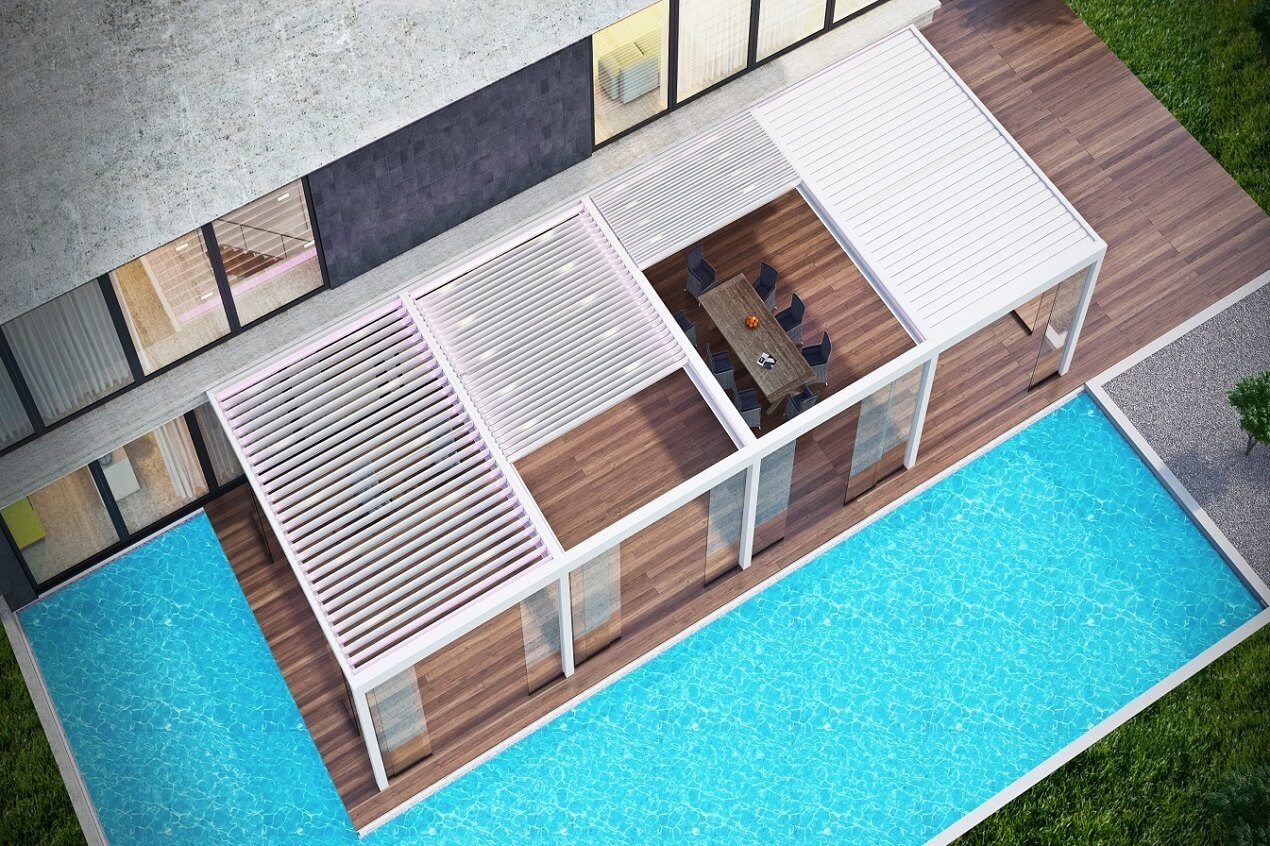
![Retractable Pergola Covers Awnings]()
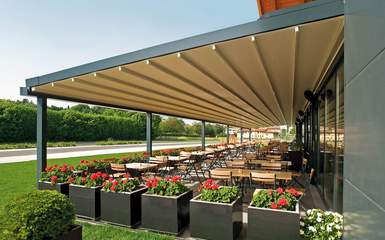
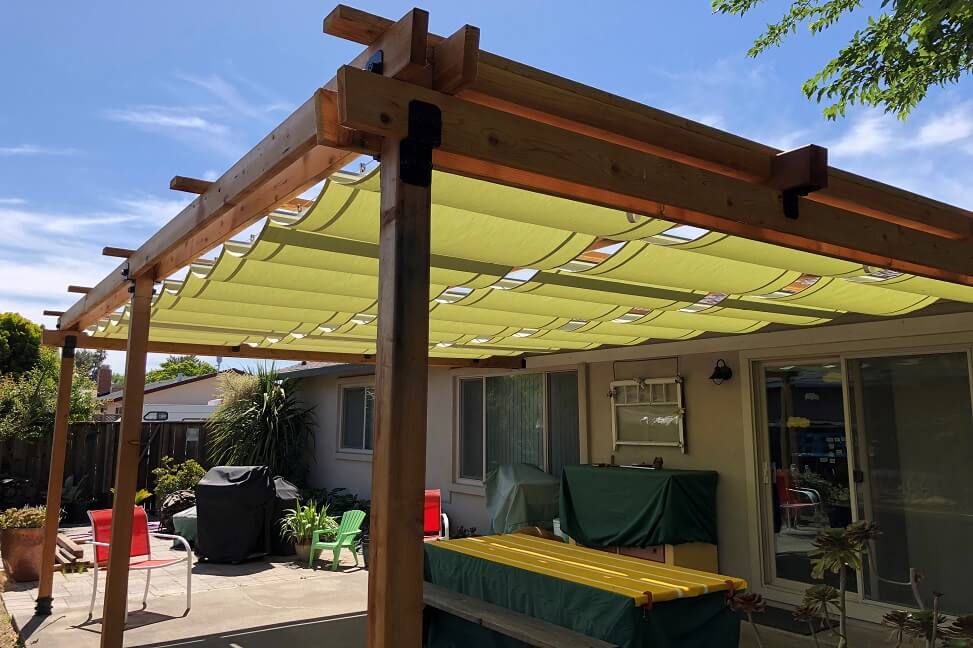
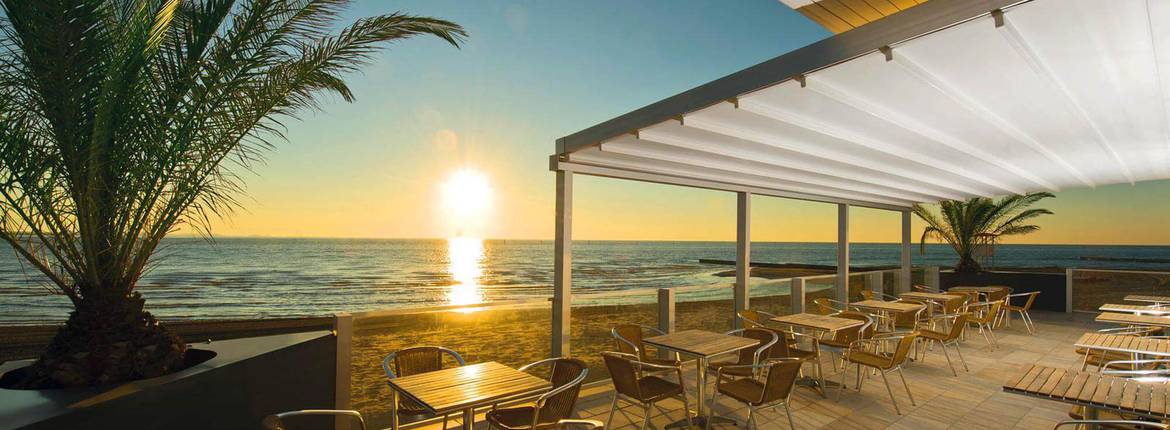
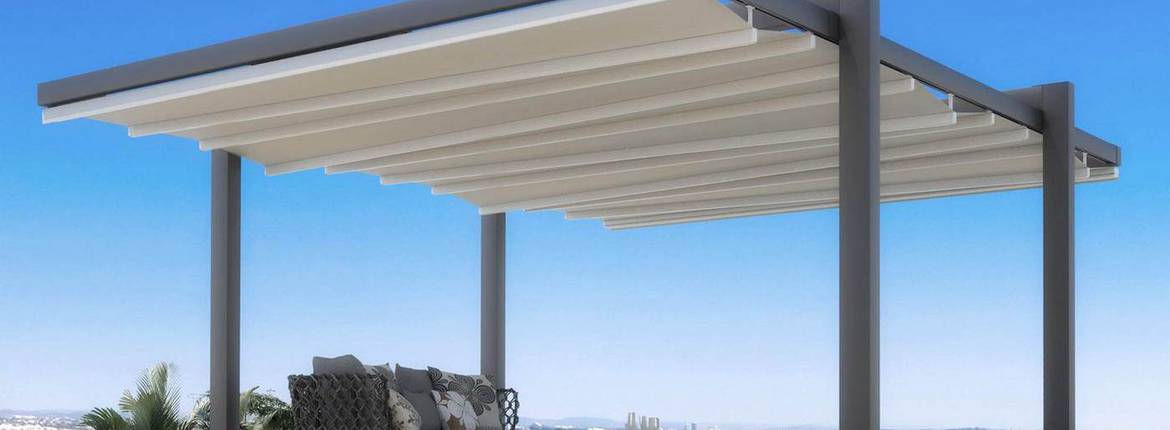
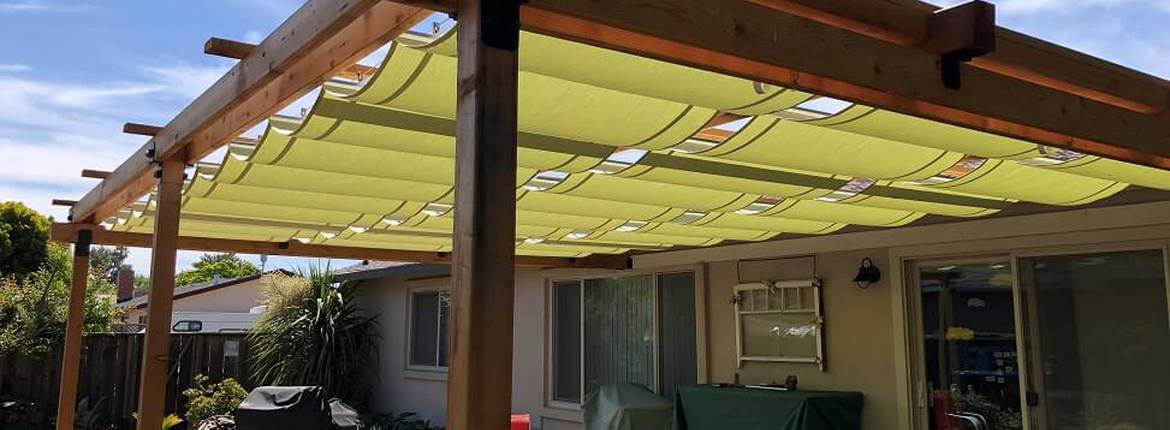
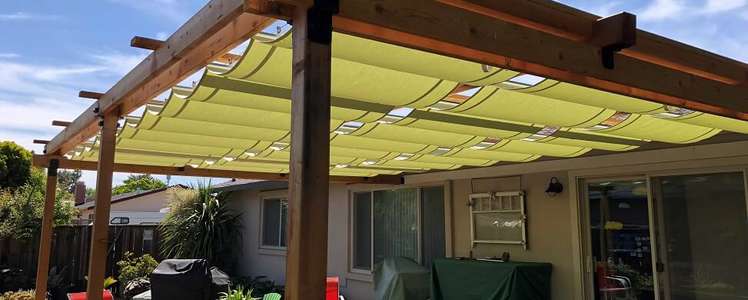
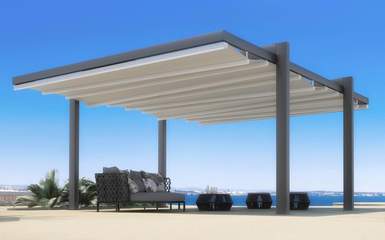
Retractable Pergola Covers & Awnings
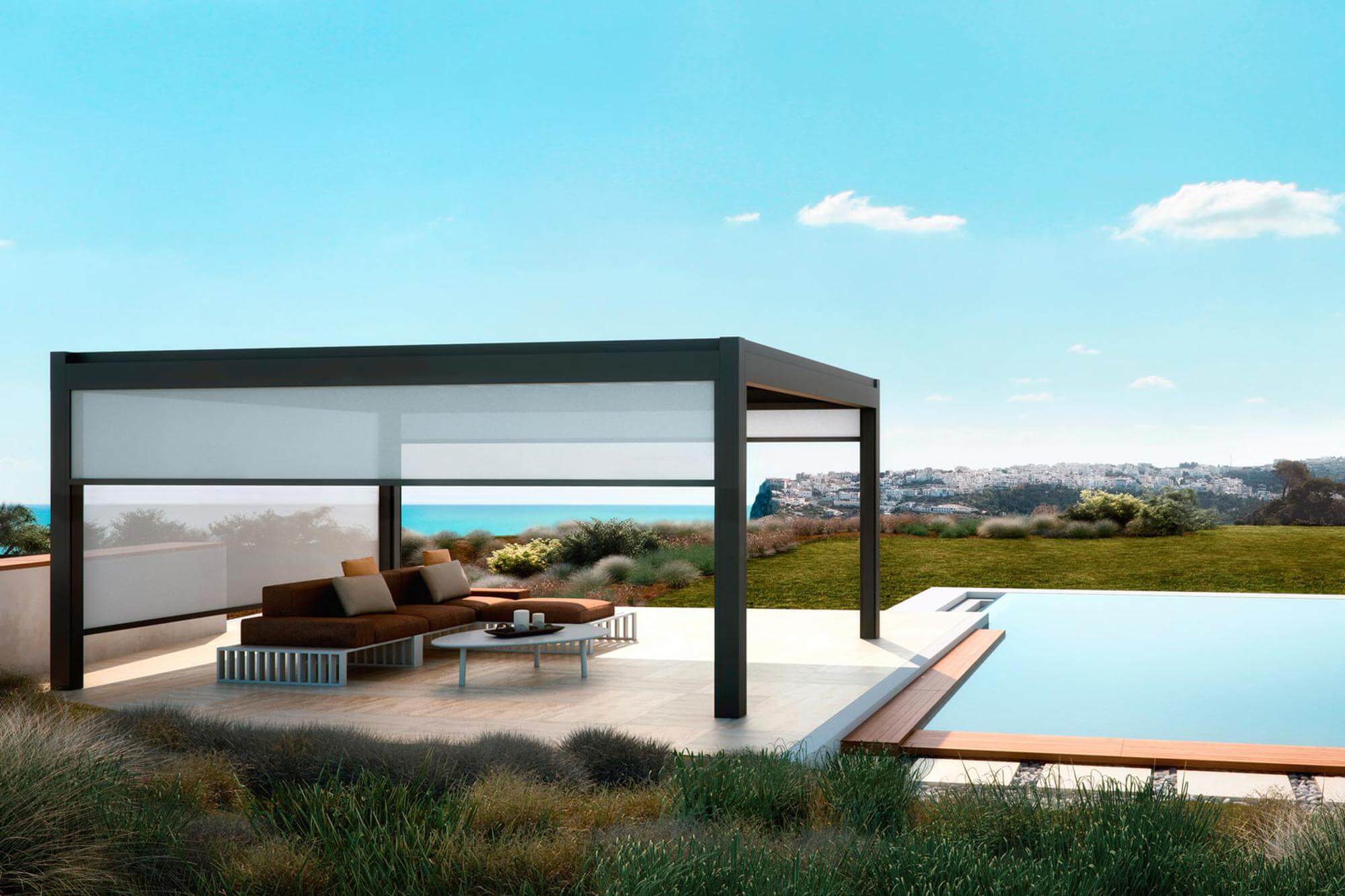
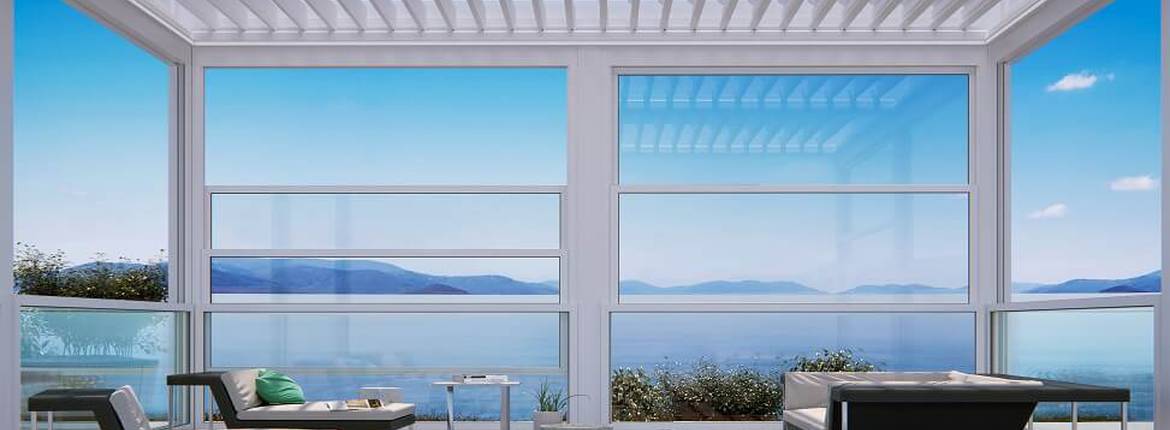
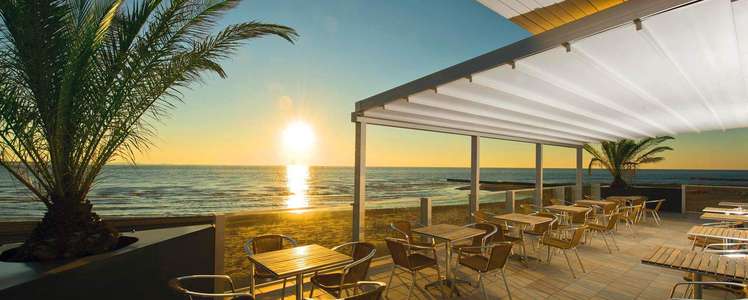
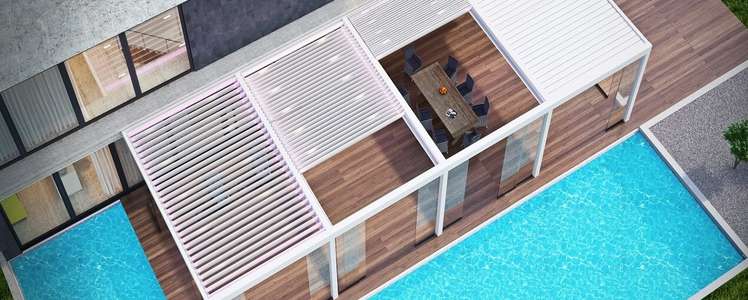
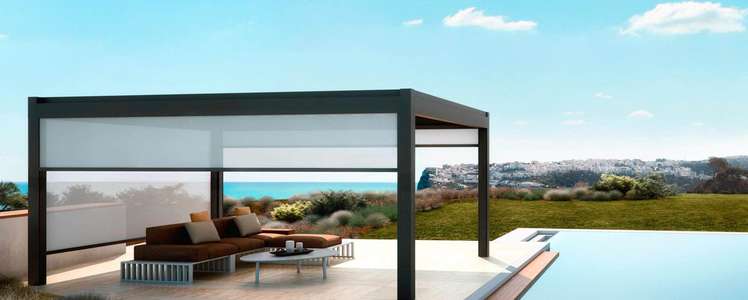
Retractable pergola covers are best for residents in areas prone to heavy rain and high wind while also adding beauty and interest to your outdoor space.
-
![Retractable Drop Arm Awnings]()
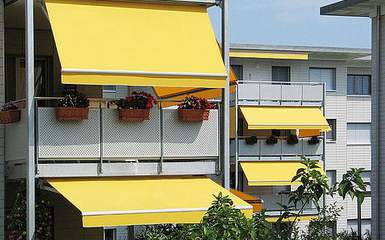
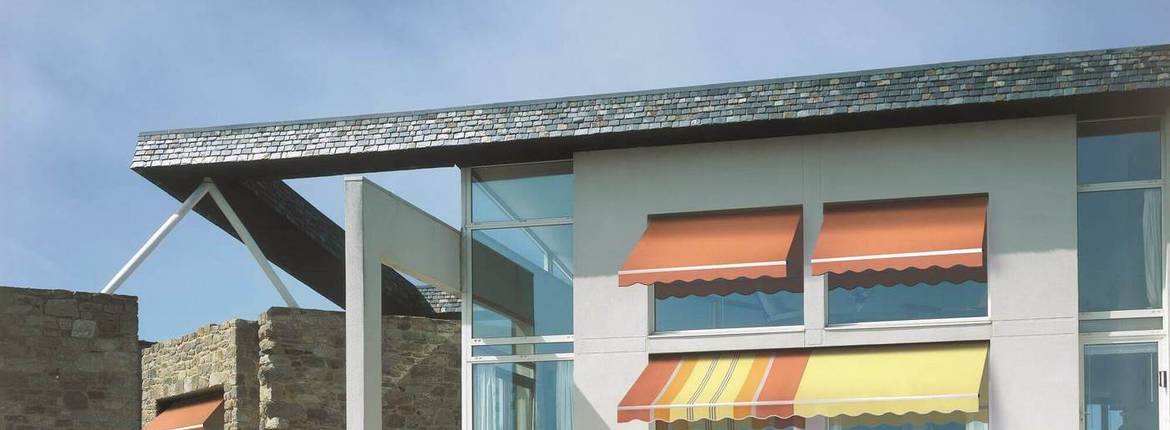
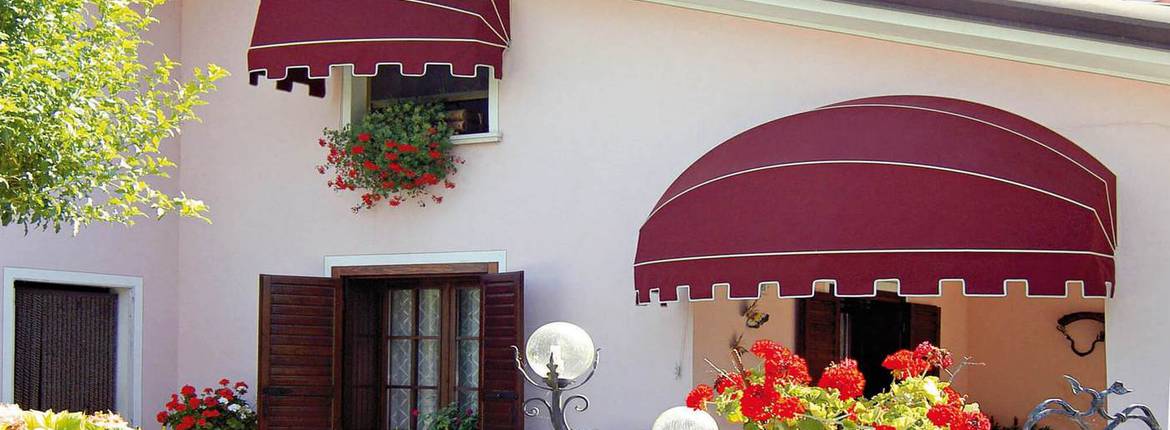
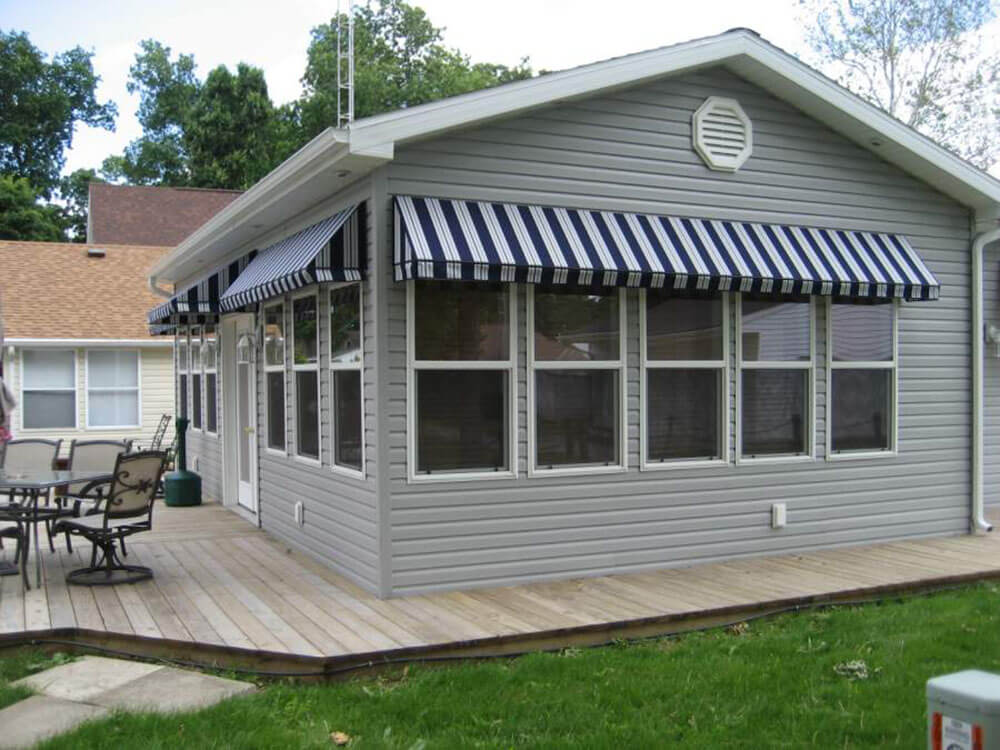
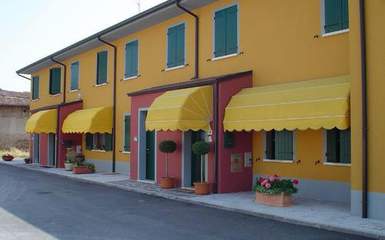
Retractable Drop Arm Awnings
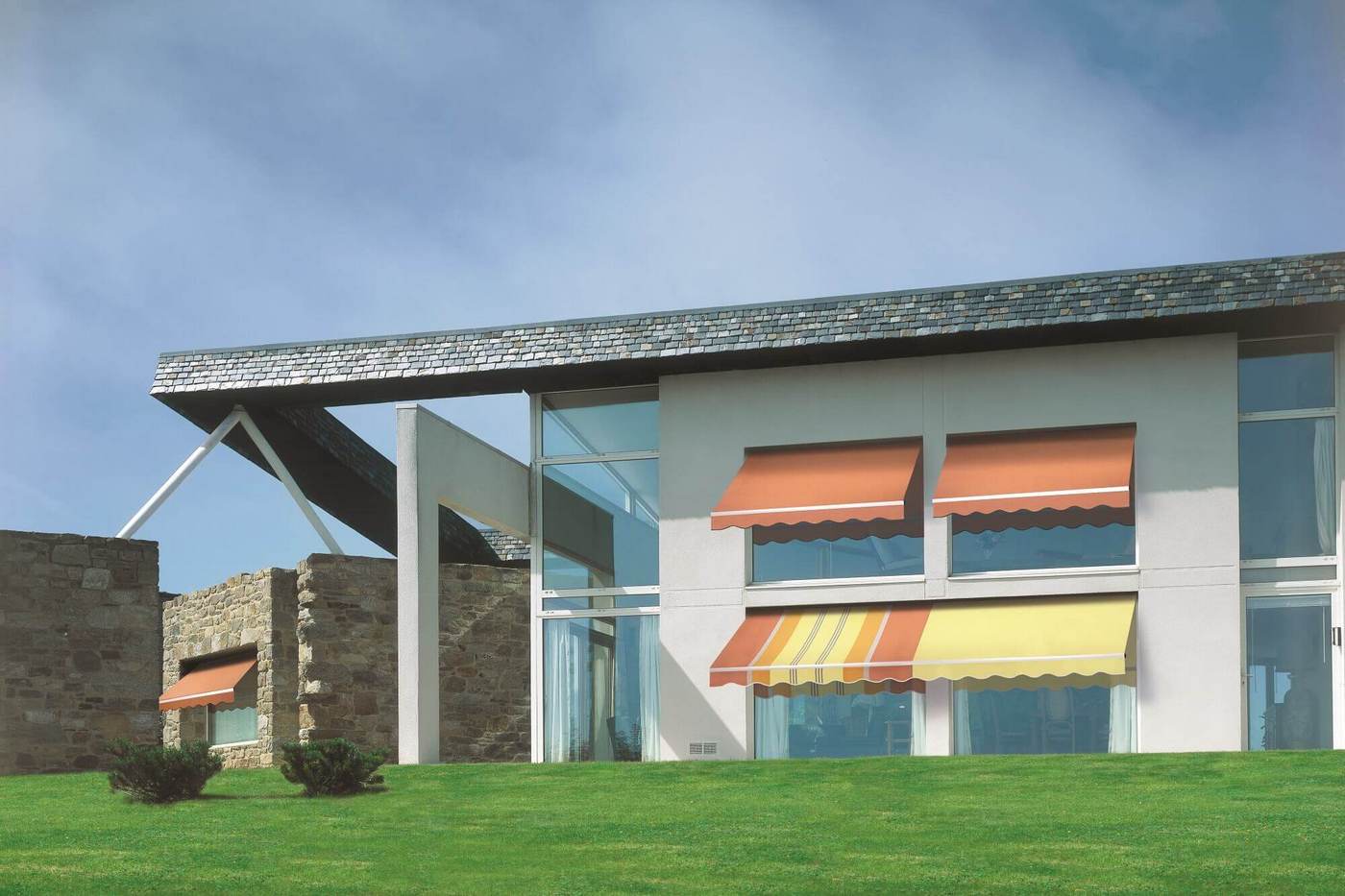
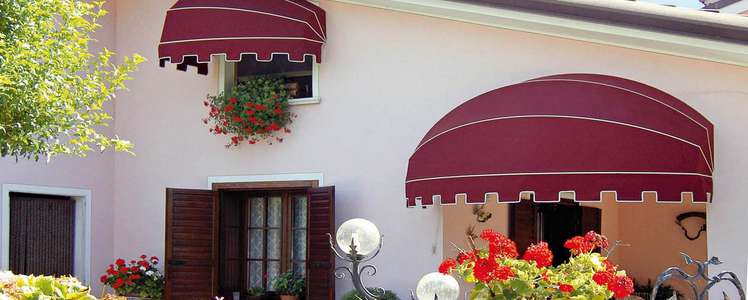
Retractable home drop arm awnings provide shelter for windows and doors. They are available in a multitude of color options to complement your personal style.
-
![Retractable Patio Screens and Vertical Drop Awnings]()
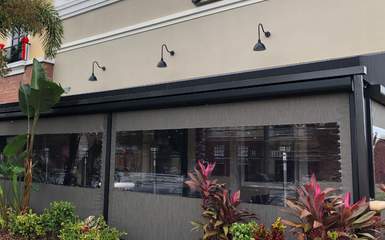
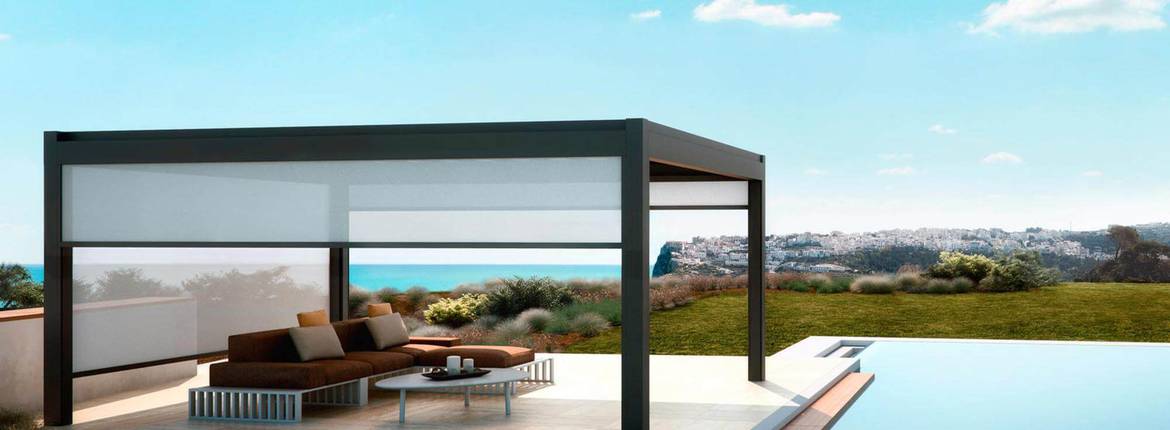
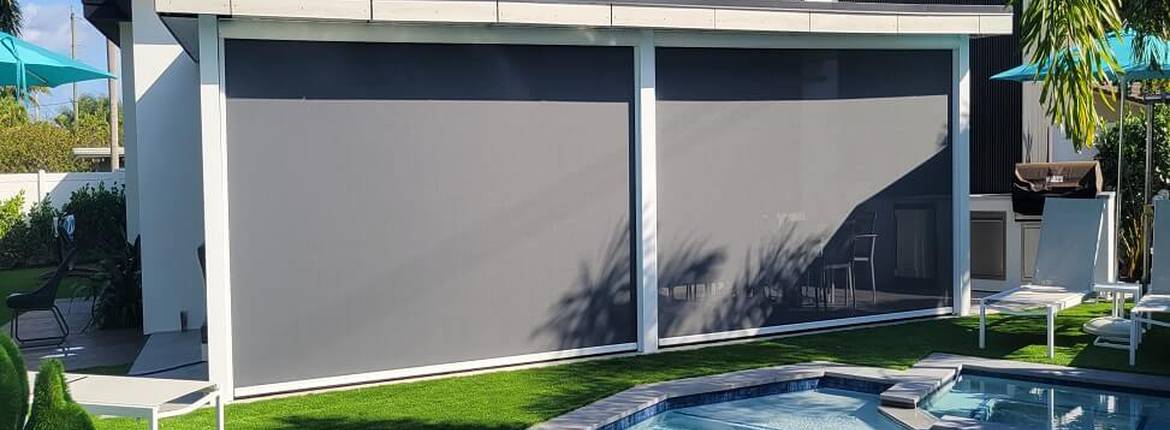
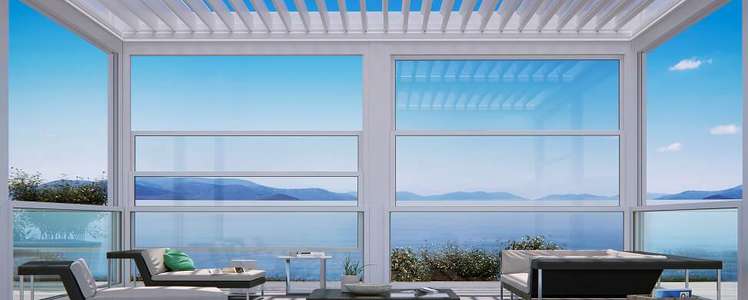
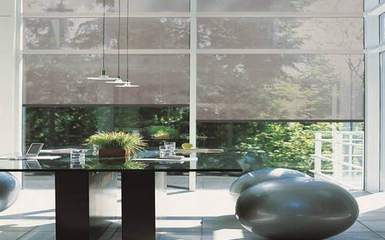
Retractable Patio Screens and Vertical Drop Awnings
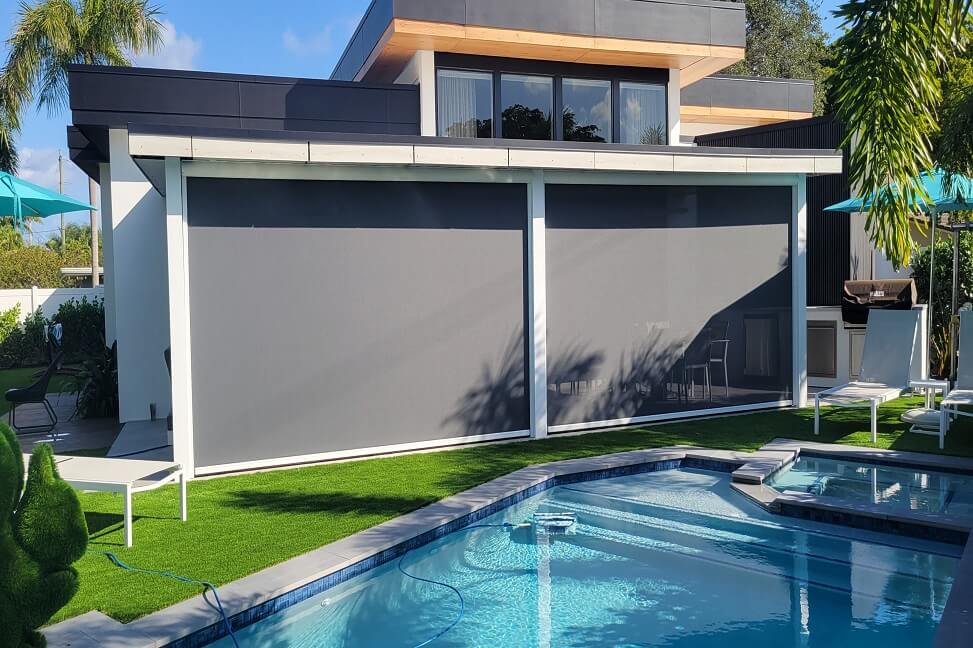
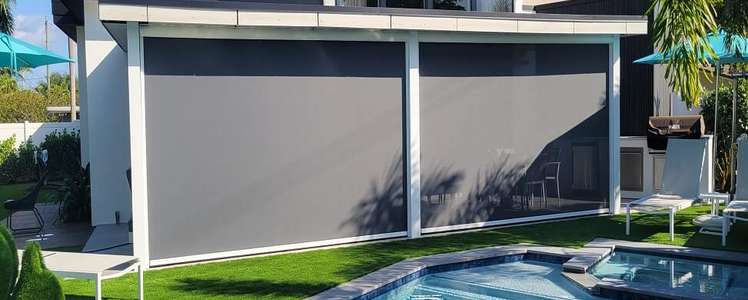
Retractable screens fit nicely in the spaces of gazebos and pergolas to provide your backyard with some extra privacy. Vertical screens can also be installed over windows.
-
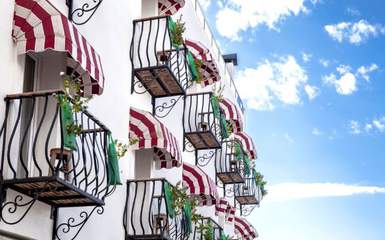
![Retractable Window Awnings]()
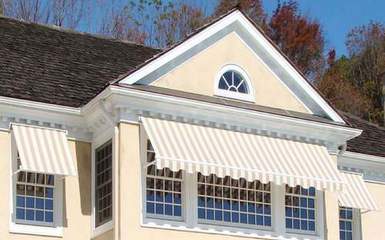
Retractable Window Awnings
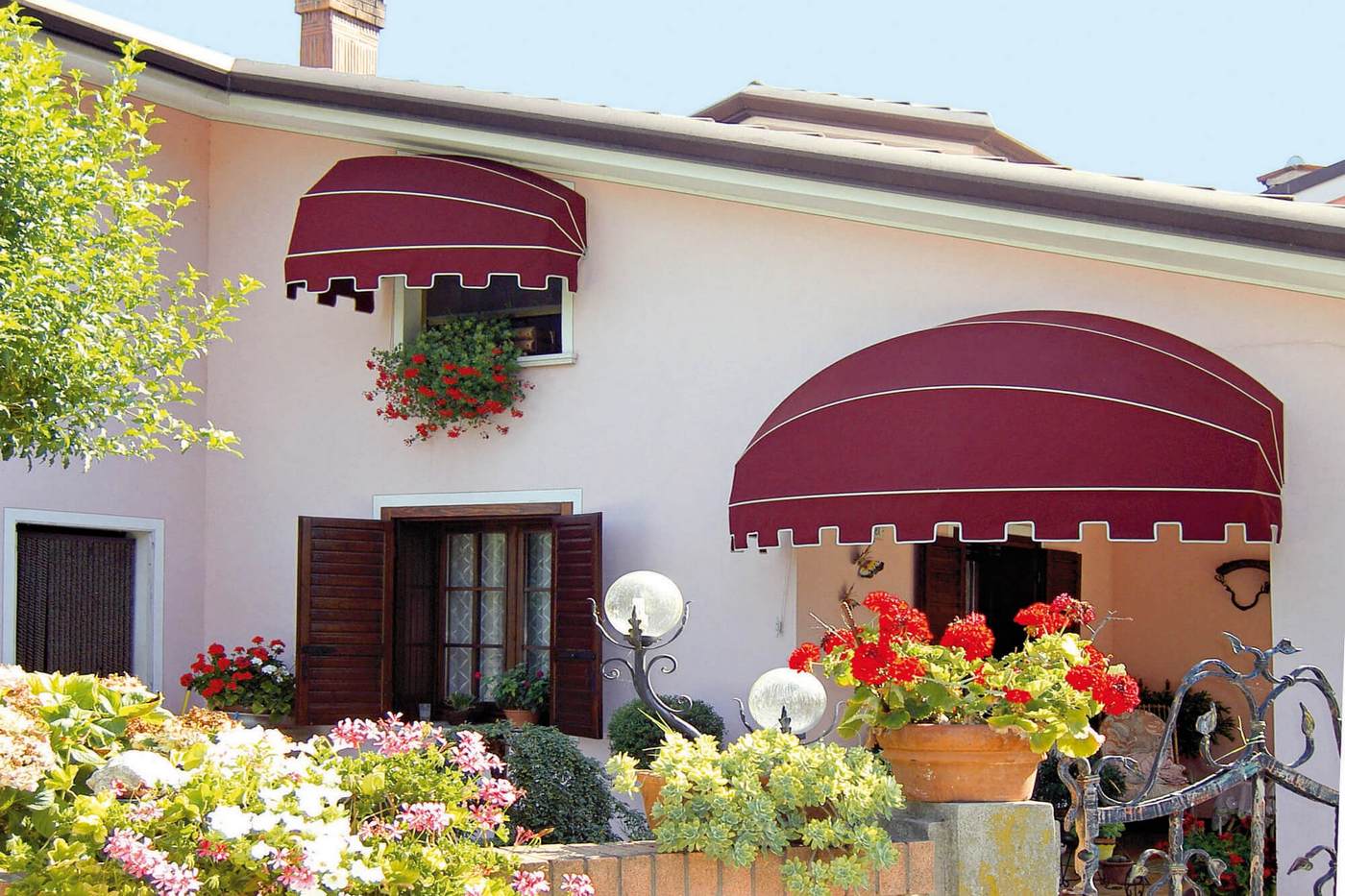
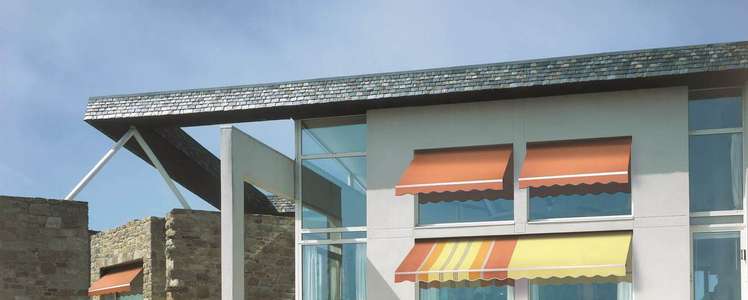
Retractable canopies add a little interest to the exterior of your home. They’re a great option if you want to add some UV protection to windows and doors.
-
![Retractable Free Standing Awnings and Canopies]()
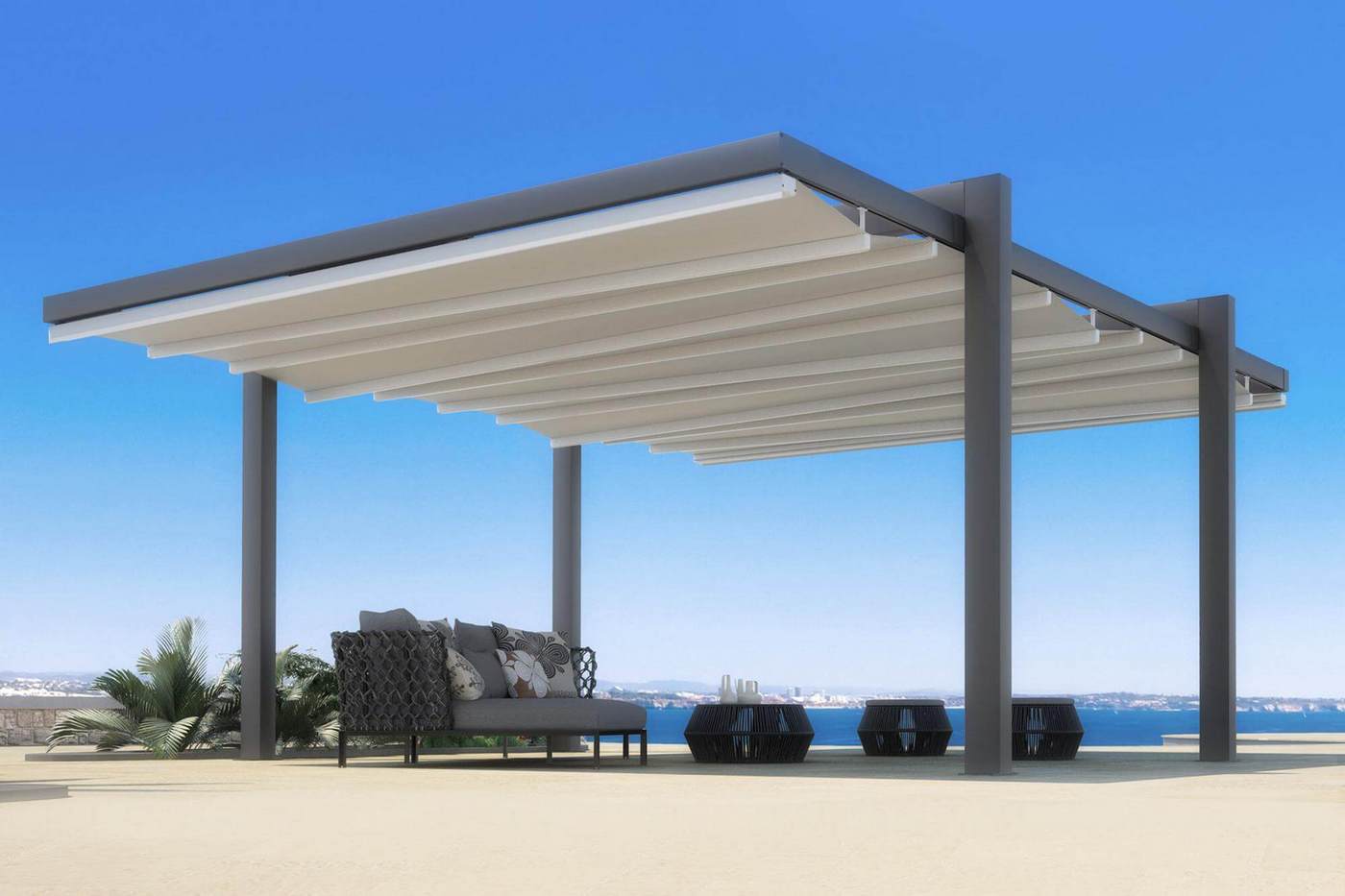
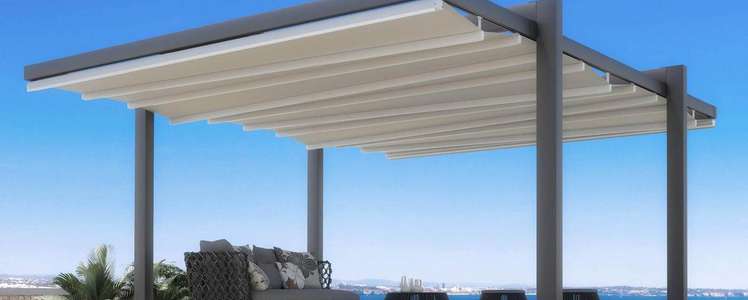
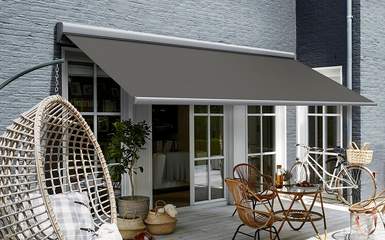
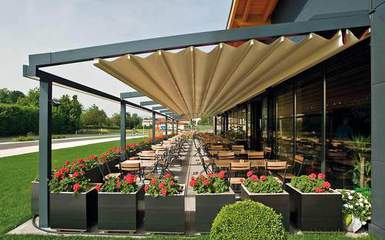
Retractable Free Standing Awnings and Canopies
Provide shelter to your patio or deck with retractable free standing awnings and canopies. They are easy to install and the louver roof option can handle snow load.
-
![Retractable Lateral Arm Awnings]()
Retractable Lateral Arm Awnings
Retractable lateral arm awnings are commonly used for commercial decks and patios to provide protection from UV rays and light rain. They are installed to the wall, fascia, beam, roof, or an eave/soffit/overhang.
-
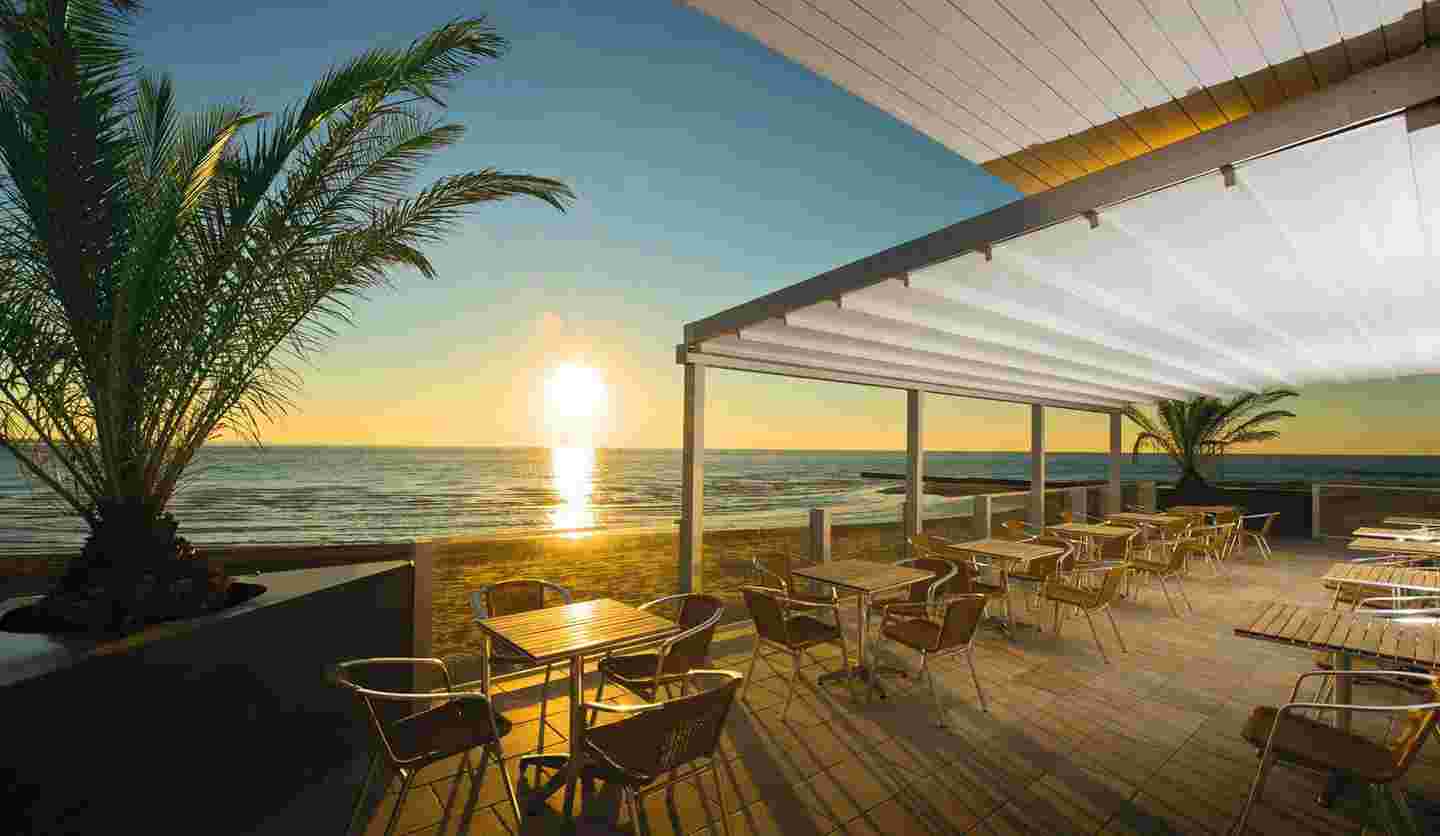
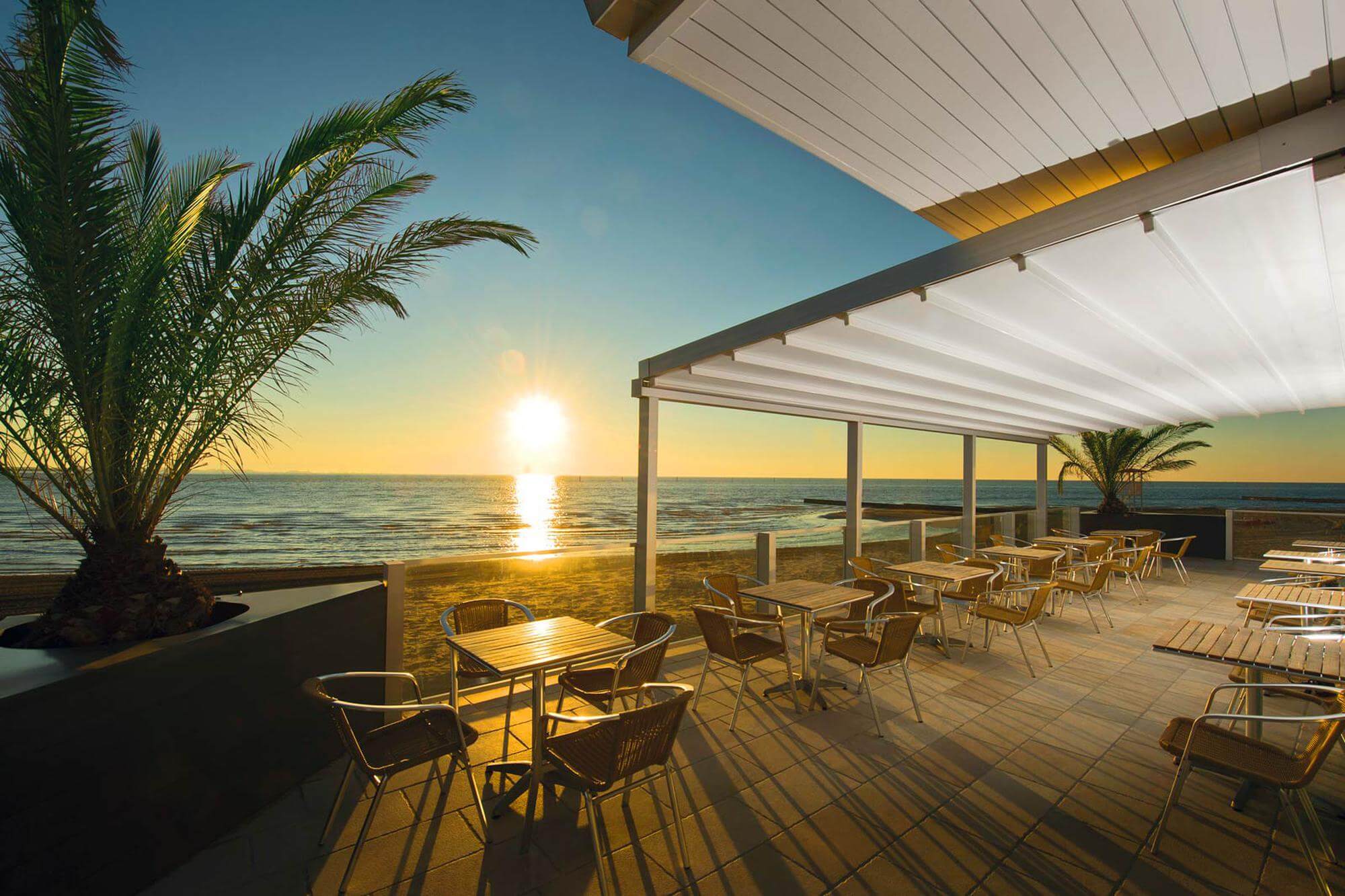
![Retractable Pergola Roof Covers]()
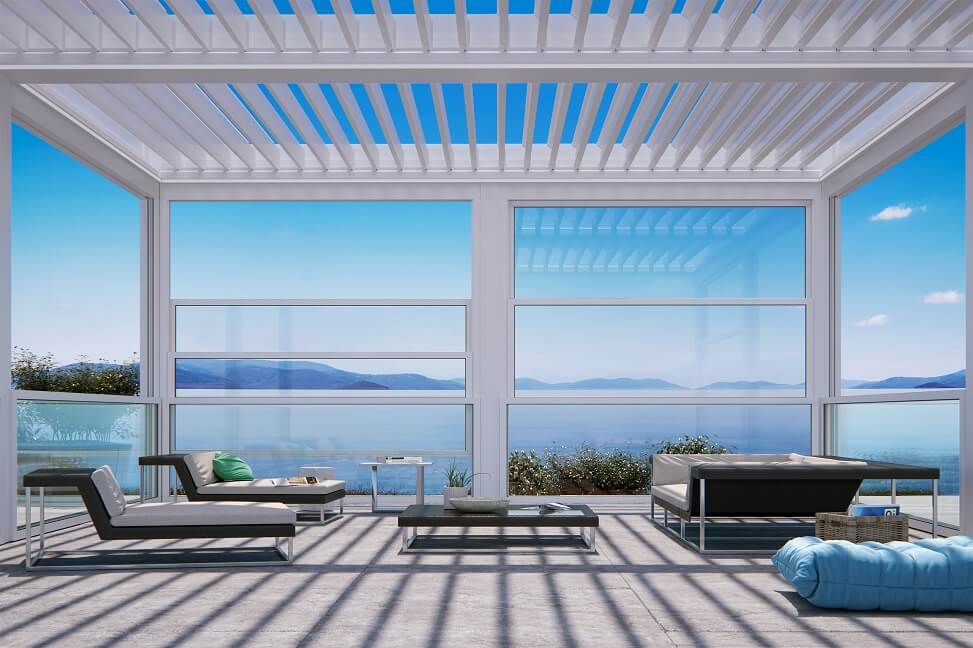
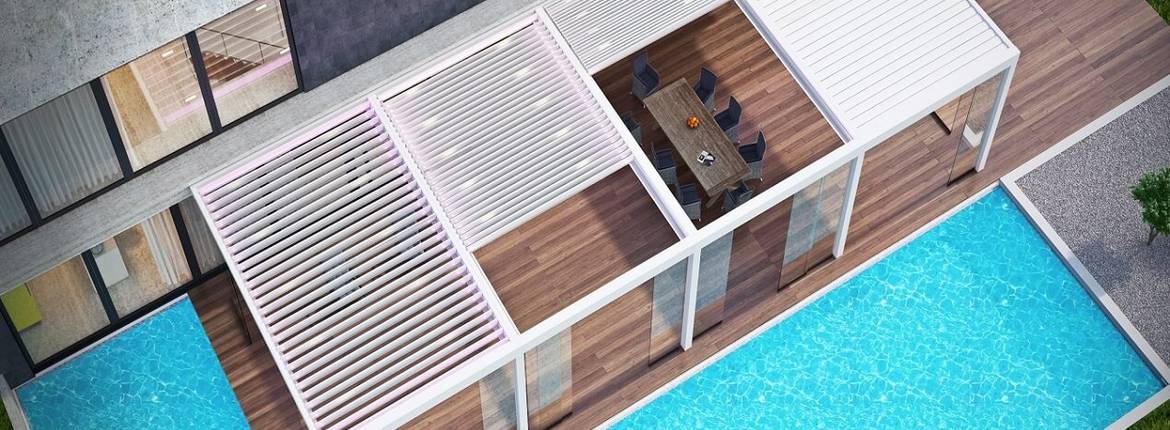
Retractable Pergola Roof Covers
Retractable pergola roof covers can be free-standing or installed on a building, patio or deck. These durable structures can handle heavy rain, high wind and are chosen for both practical and decorative purposes.
-
![Retractable Side Arm | Drop Arm Awnings]()
Retractable Side Arm | Drop Arm Awnings
Retractable side arm / drop arm commercial awnings protect windows and doors from the sun, rain, and other weather conditions. They are easily customizable with a large variety of fabric options.
-
![Power Retractable Screens]()
Power Retractable Screens
Retractable vertical drop screens are flexible window awnings that can be retracted and rolled up into a cassette box. For privacy, you can install them inside or outside a rectangular or square opening, such as on the sides of pergolas and gazebos.
-
![Retractable Canopies for Commercial Buildings]()
Retractable Canopies for Commercial Buildings
Retractable canopies protect areas from sun, UV rays, light rain, and light wind. They are available in a variety of colors for coordinating with your business’s color scheme or logo.